


Written by the THIS WAY UP Team
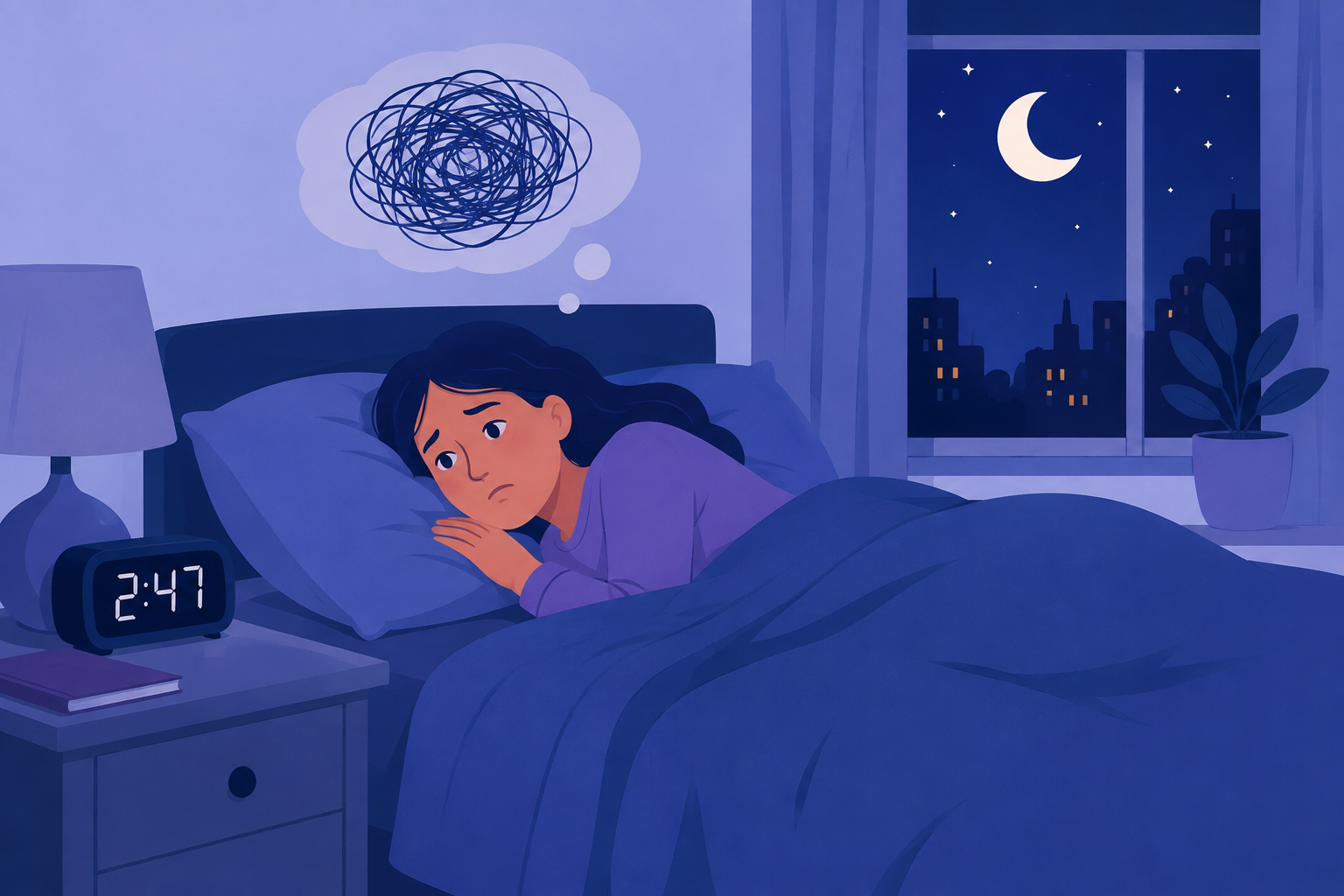
Have you ever lay in bed staring at the ceiling, watching the clock tick by while your mind races with anxious thoughts? Or found yourself worrying during the day about whether you’ll be able to sleep when night comes?
Sleep difficulties are extraordinarily common. Whether they involve trouble falling asleep, waking up in the middle of the night, or feeling unrefreshed when the alarm goes off, poor sleep can leave you feeling drained, irritable, and overwhelmed.
When sleep becomes a struggle, it can be tempting to try everything—from rigid bedtime rules to endless scrolling for quick fixes. But improving your sleep doesn't require perfection. Today, we’ll explore evidence-based strategies grounded in Cognitive Behavioural Therapy (CBT) to help you understand your sleep patterns and build habits for a more restful night.
Common Sleep Questions & Myths
Before diving into practical habits, it helps to address some common misconceptions that often heighten sleep-related worry.
How Much Sleep Do I Really Need?
There is no single "magic number" that dictates the exact amount of sleep suitable for everyone. In fact, the amount of sleep a person needs can differ between individuals, and may naturally shift as we age. While 7 to 8 hours is often cited as a general benchmark, some individuals thrive on slightly less, while others need a bit more. Focusing too heavily on achieving a specific number of hours may contribute to an unhelpful feeling of pressure that keeps you awake.
Is Lack of Sleep Harmful?
When you've had a night of poor sleep, it’s easy to worry about the impact on your health. While sleep deprivation can leave you feeling tired, moody, or unfocused during the day, there is no evidence that short-term sleep loss causes permanent damage to your body or brain. Your body has built-in biological mechanisms to help you get the sleep you need over time. Reminding yourself of this can help take the pressure off trying to fall asleep the day after a bad night’s sleep.
Understanding Your Body's Internal Clock
Sleep is largely driven by your circadian rhythm - your body’s internal biological clock. Feelings of alertness and sleepiness rise and fall in harmony with your body temperature. Typically, body temperature drops in the evening to signal sleepiness and rises in the morning to promote wakefulness. Keeping your internal biological clock consistent is key to predictable, restorative sleep. One of the most effective ways to achieve this is to go to bed, and to wake up, at roughly the same time each day. This helps your body’s sleep ‘rhythm’ stay consistent and regular.
Five Practical Strategies for Better Sleep
1. Re-establish the Bed-Sleep Connection
If you find yourself tossing and turning, worrying, or unable to fall asleep after 15 to 20 minutes, get out of bed.
Lying awake in frustration can condition your brain to associate the bed with stress and wakefulness, rather than rest. Move to a comfortable, dimly lit room and engage in a low-energy, relaxing activity—such as reading a book or listening to quiet music—until you feel naturally sleepy again. Once sleepy, return to bed. Repeat this process as often as needed until your brain re-learns that bed equals sleep.
2. Keep a Consistent Sleep Schedule
Try to wake up and go to bed around the same time every day, including weekends.
- Avoid sleeping in to make up for a bad night, as this disrupts your circadian rhythm and can make it harder to fall asleep at your usual time the following evening.
- Avoid naps, especially in the late afternoon, to ensure you build up sufficient “appetite for sleep” by bedtime.
3. Make Time for Problem-Solving in the Day (rather than at bedtime)
Anxious thoughts at night are often the result of unprocessed daytime stress.
- Set aside 10–15 minutes during the day as dedicated "problem-solving time" or “worry time”.
- Write down any worries, tasks, or problems on paper and list actionable next steps for the problems that you can address.
- When these thoughts pop into your head at bedtime, gently remind yourself: "I’ve already spent purposeful time considering this today, and I can revisit it tomorrow during my designated time if needed. Now is the time for rest."

4. Create a Relaxing Wind-Down Routine
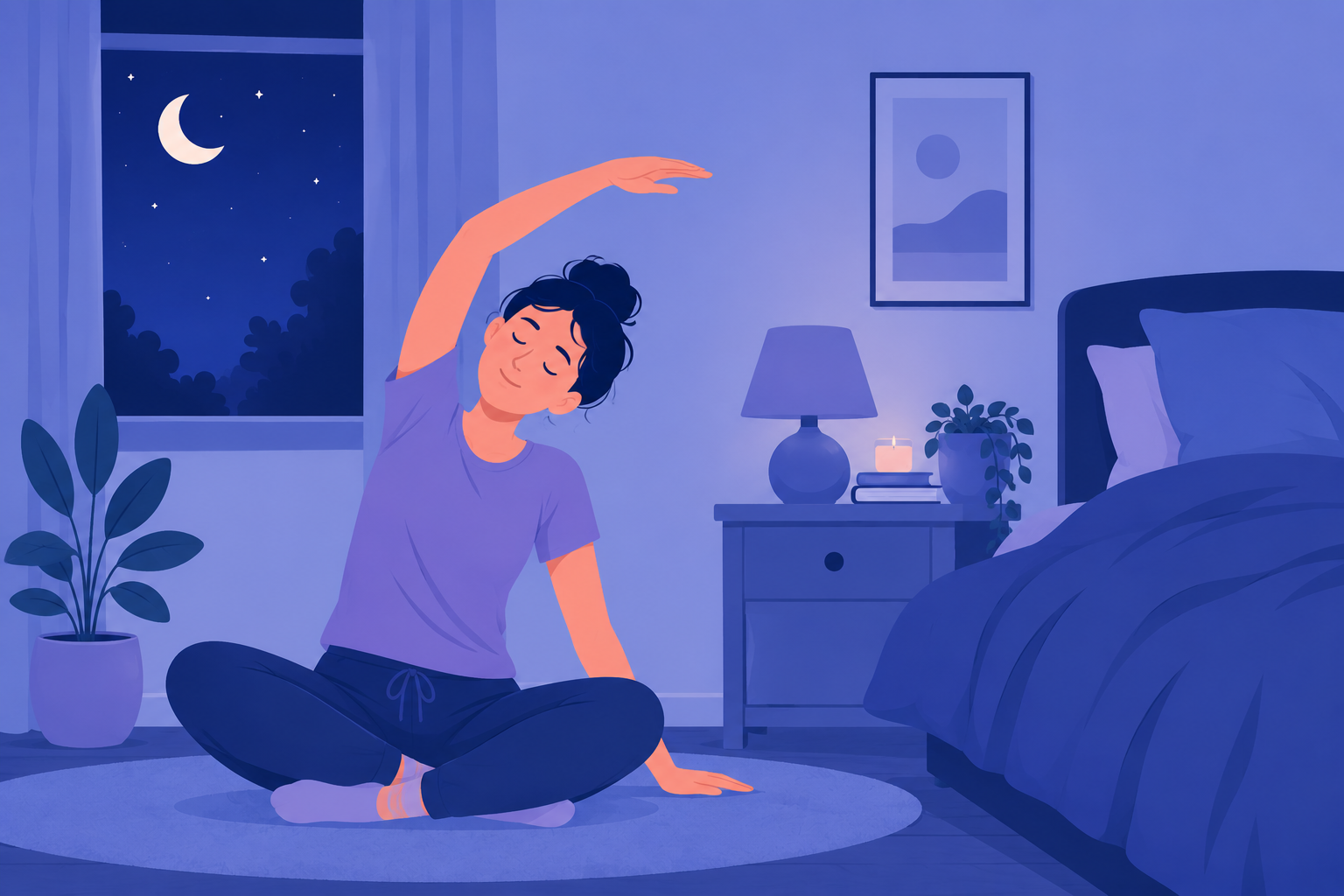
Give your mind and body a clear signal that it’s time to wind-down and get ready to rest. Establish a 30- to 60-minute wind-down ritual before bed that excludes work, difficult conversations, or stimulating screens. Activities like having a warm shower, gentle stretching, washing your face, or reading help activate your body's relaxation response.
5. Mind Your Evening Habits & Environment
Small adjustments to your surroundings and habits can make falling asleep much easier:
- Caffeine & Nicotine: Avoid caffeine (coffee, tea, energy drinks, chocolate) in the afternoon and evening. Avoid smoking for at least an hour before bed, as nicotine is a stimulant.
- Exercise: Regular physical activity promotes deeper sleep, but try to complete vigorous workouts earlier in the day rather than late at night.
- Bedroom Environment: Keep your bedroom at a comfortable temperature, dark, and quiet so it provides cues to your body that it’s time for rest and sleep.
Moving Toward Better Rest
Improving sleep is a process of small, steady changes and strengthening healthy habits, rather than instant fixes. By removing the pressure to sleep "perfectly" and putting consistent, evidence-based skills into place, you can reset your body's natural sleep-wake cycle.
Need Extra Support with Sleep or Worry?
If persistent insomnia, anxiety, or racing thoughts continue to disrupt your sleep, there are effective and simple skills that can help. THIS WAY UP offers clinically proven, evidence-based online treatment programs designed to help you tackle insomnia, manage worry, and restore healthy sleep patterns.
Explore our Insomnia Program or learn more about managing excessive worry (that may be impacting your sleep) through our Generalised Anxiety Program.