


Written by Amanda Sie, clinical psychologist at THIS WAY UP
Did you know, one in five Australian adults have experienced a mental disorder within the last 12 months? Anxiety, depression and substance use being the most common types.
You may be surprised to hear that 71% of General Practitioners (GP’s) nominate mental health as a top reason for patient consultations.
Yet, despite how common these experiences are, many of us can mistakenly fall into the trap of believing that mental health issues are a sign of personal failure, weakness or character flaw. This is not true. People from all walks of life can experience anxiety and depression, and it usually develops from a combination of contributing factors that interact with each other.
Feelings of self-blame and shame can leave people trapped in helplessness and suffering alone. This may be one of the reasons why on average, it can take up to 8.2 years for someone with an anxiety disorder to seek help.
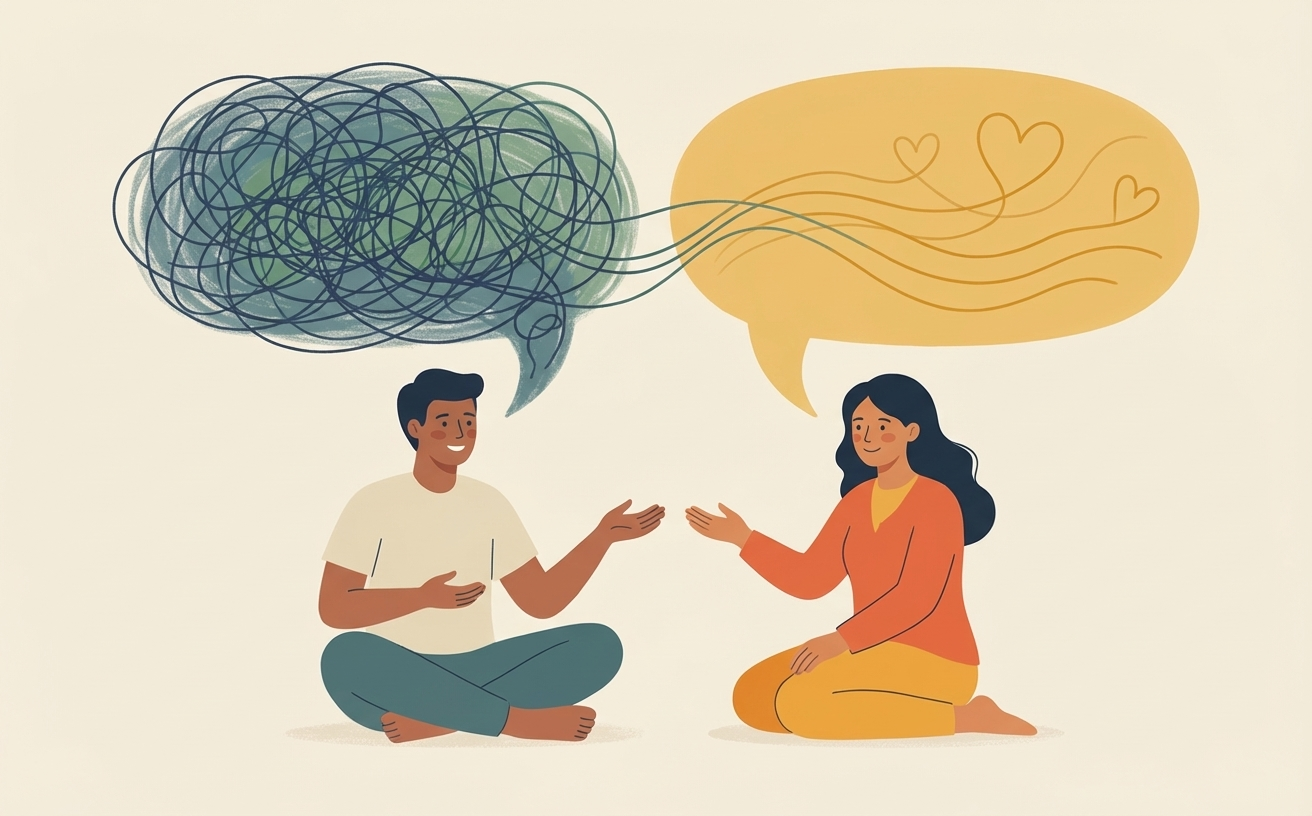
If you are experiencing low mood, anxiety, stress, insomnia or another mental health concern - know that you don’t have to do this alone, and you can start the process of feeling better, today.
What steps can I take to improve my mental health?
- Have a realistic mindset about mental health
Remember that mental health difficulties are common and can affect anyone. We are all human, and no one is immune from the possibility of developing a mental health condition. Challenge any unrealistic or unhelpful thoughts about what it means to experience low mood, anxiety or stress. Step back and ask yourself, “is that thought based in reality?”, “what is the evidence for that view?”, or “how can I look at this from another perspective or think differently about it?”.
- Show yourself compassion
If you are prone to being harsh or critical with yourself, talk to yourself the way you would to a loved one. Chances are, it’s with more kindness and grace, and with less judgement and blame. For example, “It’s understandable I’m feeling like this. Other people in a similar situation would find this hard, too”, or “I’m doing the best I can under difficult circumstances”. With practice, self-compassion will come more easily, and it can change how you see yourself and what you do next.
- Learn about what you’re experiencing
Many people feel better when they can make sense of their experience, and feel relief when they realise that others experience it too. A mental health condition can explain why you think or behave the way you do. There is a wealth of information online, but make sure you are gaining your understanding from reputable organisations. Read fact sheets about depression, different kinds of anxiety, insomnia, chronic pain and stress here at THIS WAY UP or from other trusted providers.
- Understand what your options are
Make an appointment with your GP to talk about your concerns and get tailored advice. Find out about the different avenues you could take to feel better. Ask questions about their effectiveness and suitability for you and your needs. They may recommend medication, psychological therapy, or a combination of both. If Cognitive Behavioural Therapy (CBT) is suggested to you, it can be delivered either face-to-face or via an evidence-based online program like THIS WAY UP. Remember, reaching out isn't a sign of weakness. Explore this resource to help you move past shame and connect with support.
- Explore an online program
THIS WAY UP offers self-paced, low-cost (or free if prescribed by a clinician) programs for a range of common conditions. If you are unsure of which may benefit you, complete our brief Wellbeing Test. The first module gives information on the condition, and an overview of how the program aims to help you. Many of our users tell us that they value the convenience of learning CBT skills at any time and, any place that suits them.

Move towards a brighter future today
These steps can help you steer your future in a brighter direction. Remember, support is available, and you don’t have to navigate this alone. With the right tools and treatment, things can improve - and the first step can start today.
THIS WAY UP programs are here to help, wherever you are, and whenever you’re ready.